Author: Jerryll Noorden

  • What Can I Do to Increase My Home’s Value Before Selling in [City]?

    What Can I Do to Increase My Home’s Value Before Selling in [City]?

    If you’re planning to sell your home in [city], you may be wondering what steps you can take to boost its value and appeal. Fortunately, there are several cost-effective improvements that can help you attract more buyers and secure higher offers. In this post, we’ll explore some of the best ways to enhance your home’s value and make it more market-ready.

    First impressions are everything, and curb appeal sets the tone for a buyer’s experience. Simple exterior upgrades can have a big impact on your home’s perceived value.

    • Landscaping: Trim hedges, mow the lawn, add fresh mulch, and plant seasonal flowers to make your home look inviting and well-maintained.
    • Exterior Cleaning & Painting: Pressure-wash your home’s exterior and consider fresh paint for doors, shutters, or trim for a polished look.
    • Lighting & Fixtures: Update porch lighting and replace worn-out fixtures to create a welcoming entryway.

    Tip: Curb appeal is often the first thing buyers notice, so invest in these improvements to create a strong initial impression.

    house interior 1

    A fresh coat of paint is one of the most effective ways to update your home’s interior without a big expense. Neutral colors appeal to a wider range of buyers and create a clean, modern look.

    • Choose Neutral Colors: Opt for shades like beige, gray, or soft white, which allow buyers to envision their own style in the space.
    • Accent Walls or Features: If you want to add a little character, consider subtle accent walls or updates to the trim and molding.

    Tip: Neutral colors create a blank canvas that helps buyers imagine themselves living in your home, increasing the likelihood of offers.

    A clutter-free home feels more spacious and allows buyers to see the full potential of each room. Decluttering and removing personal items can make a big difference in presentation.

    • Organize Closets and Storage: Buyers will open closets, so keep them neat and spacious by organizing and minimizing contents.
    • Remove Personal Items: Take down family photos and personalized decor to make the space feel inviting to all potential buyers.
    • Simplify Furniture Layouts: Arrange furniture to showcase the room’s flow and maximize space.

    Tip: Consider renting a storage unit to temporarily house items you don’t need, making your home feel more open and appealing.

    house interior 2

    Tackling small repairs and updates can prevent potential buyers from being put off by minor flaws. Investing in these touch-ups can show that your home is well-maintained.

    • Fix Leaks and Squeaks: Repair leaky faucets, fix squeaky doors, and replace burned-out light bulbs.
    • Upgrade Fixtures: Swap outdated hardware on cabinets, update light fixtures, and consider adding energy-efficient faucets or showerheads.
    • Refresh Bathrooms: Simple updates like new caulking, a fresh shower curtain, and clean grout can make bathrooms feel more modern and well-cared-for.

    Tip: Addressing these small details can make your home feel move-in-ready, attracting more buyers and better offers.

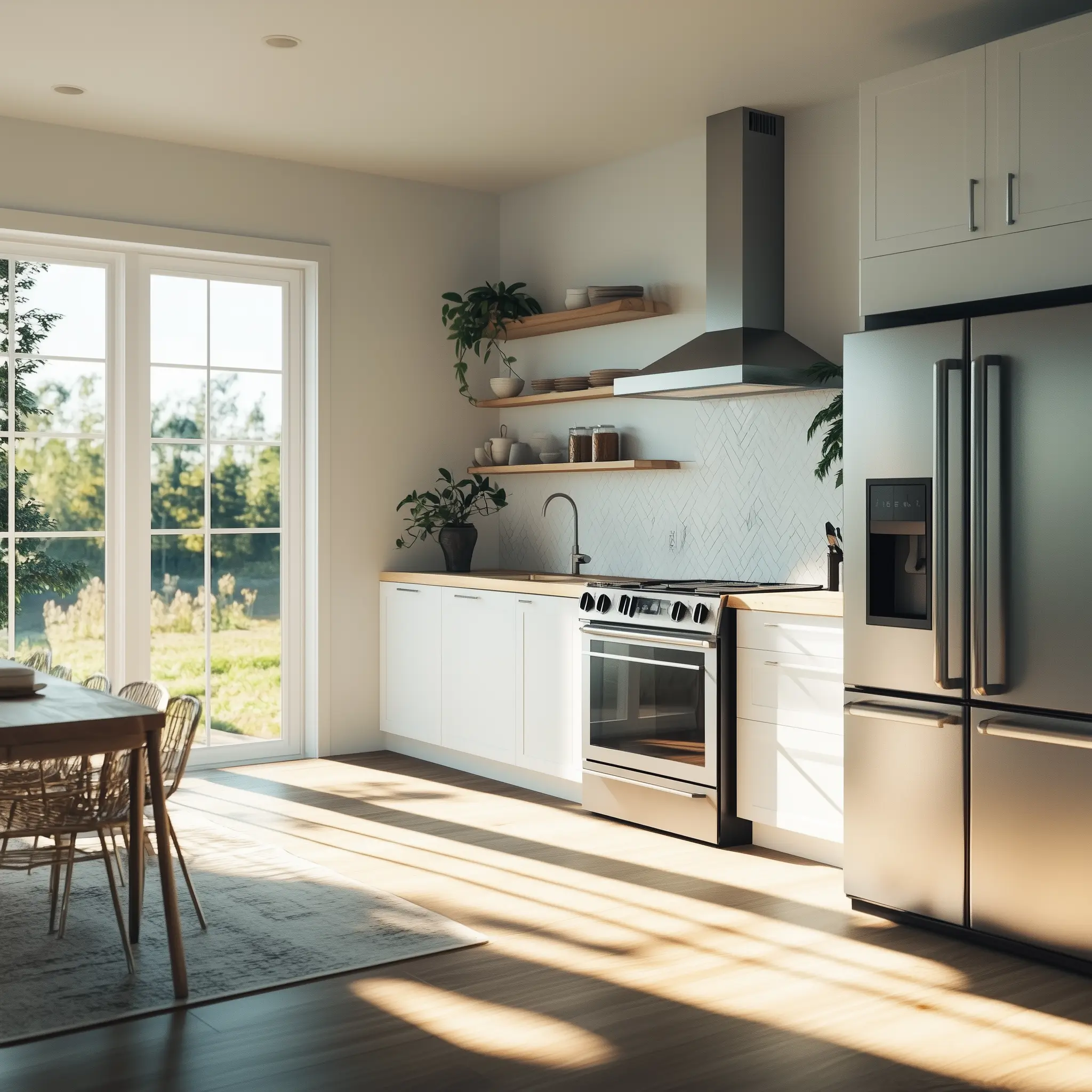
    Kitchens and bathrooms often have the most impact on a buyer’s decision, so small upgrades in these areas can yield high returns.

    • Replace Cabinet Hardware: New handles and knobs are an inexpensive way to give cabinets a modern look.
    • Upgrade Countertops (If Needed): Consider updating countertops if they are outdated. Quartz or granite can add value without requiring a full renovation.
    • Bathroom Touches: Replace old fixtures, add a fresh coat of paint, and ensure all tiles and grout are clean and in good condition.

    Tip: Kitchen and bathroom improvements often have the highest ROI. A few updates here can make a big difference in your home’s appeal.
    house interior 3

    Energy-efficient homes are more appealing to today’s buyers, who often look for features that can reduce utility costs. Simple upgrades can increase your home’s value and appeal.

    • Install LED Lighting: Swap old bulbs for LED lighting, which is both energy-efficient and long-lasting.
    • Add Weather Stripping: Seal windows and doors to improve insulation and reduce drafts, which can help with energy savings.
    • Smart Thermostats: Consider installing a programmable thermostat, allowing buyers to save on energy costs with ease.

    Tip: Highlight energy-efficient upgrades in your listing to attract buyers looking for eco-friendly features.

    Increasing your home’s value before selling doesn’t have to require major renovations. With a few strategic updates, you can make your property more appealing, attract more buyers, and maximize your sale price. If you’re ready to start or have questions about specific improvements, I’d be happy to offer personalized guidance.

    Ready to Maximize Your Home’s Value? Schedule a Free Consultation Today!

    This field is for validation purposes and should be left unchanged.
    Name(Required)
  • How Will You Market My Home to Get the Best Results in [city]?

    How Will You Market My Home to Get the Best Results in [city]?

    When selling your home in [city], getting maximum exposure is key to attracting qualified buyers and securing the best offer. A strategic, multi-channel marketing approach can make all the difference in generating interest quickly and getting you top value. Here’s a look at my comprehensive marketing strategy and how it ensures your home stands out.

    In today’s market, high-quality visuals are essential for attracting buyers. Professional photos, virtual tours, and drone footage showcase your property in the best light and help buyers envision themselves in the space.

    • High-Quality Photos: A professional photographer captures every angle, highlighting the best features of your home and making it look inviting online.
    • Virtual Tours: 3D virtual tours allow buyers to explore the layout and flow of your home from the comfort of their own space.
    • Drone Footage (if applicable): Aerial views are especially impactful for larger properties, capturing the surrounding landscape and exterior in a unique way.

    Tip: These visuals create an immediate connection with buyers and make your home memorable, increasing the likelihood of viewings.

    house interior 1

    The MLS (Multiple Listing Service) is a powerful tool that provides broad visibility for your property. By listing your home on the MLS, I ensure it reaches a wide network of agents and buyers searching for homes in [city].

    • Broad Reach: The MLS syndicates your listing to hundreds of real estate websites, expanding its reach to potential buyers beyond [city].
    • Attracts Agents & Buyers: With MLS, both real estate agents and buyers are alerted to your property, creating a larger pool of interested buyers.

    Tip: A professionally crafted MLS listing with well-written descriptions and quality photos can make a significant difference in generating interest.

    Social media platforms offer a highly effective way to reach potential buyers where they’re already spending time. I use targeted social media ads to highlight your property, attracting attention from the right audience.

    • Platforms Used: Facebook, Instagram, and LinkedIn are some of the top platforms for real estate promotion.
    • Targeted Ads: By targeting specific demographics and interests, I ensure your property is seen by potential buyers who are most likely to be interested.
    • Engaging Content: Posts showcasing your home’s unique features, with engaging visuals and descriptions, can attract more viewers and increase inquiries.

    Tip: Social media advertising reaches a diverse audience and creates buzz around your property, maximizing its exposure.

    house interior 2

    Online advertising is a critical component in reaching a broad audience. With Google Ads and retargeting, your home stays visible to people actively searching for properties like yours.

    • Google Ads: Targeted Google Ads can place your home in front of buyers searching for homes in [city], putting it at the top of their search results.
    • Retargeting Campaigns: For buyers who’ve shown interest in similar properties, retargeting ads remind them of your listing, encouraging them to revisit and schedule a showing.

    Tip: Retargeting keeps your property top of mind, especially for buyers who are narrowing down their options.

    Email marketing is an effective way to reach both potential buyers and real estate agents with interested clients. I create targeted email campaigns to showcase your property, ensuring it’s seen by an audience that’s actively looking.

    • Buyer Outreach: Email campaigns are sent to a targeted list of potential buyers who may be interested in homes in [city].
    • Agent Network: Emails to a network of agents increase exposure among real estate professionals with active buyers.

    Tip: Regular, visually appealing email updates keep your property in front of prospective buyers and their agents, increasing the likelihood of inquiries.

    house interior 3
    house interior 1

    For buyers who want a closer look, I organize open houses and virtual showings, depending on your preferences and current market conditions.

    • Traditional Open Houses: These events allow interested buyers to view your home in person, creating a strong connection and sense of urgency.
    • Virtual Showings: Virtual open houses via video streaming platforms provide a flexible alternative, allowing buyers to experience your property remotely.

    Tip: Open houses and virtual showings create an opportunity for potential buyers to see the property’s charm up close and make a personal connection with the space.

    As a [city]-based real estate agent, I leverage my connections in the local community to increase exposure for your property. This grassroots approach reaches buyers interested in staying within or moving to [city].

    • Community Networks: Engaging with local community groups and networks puts your property in front of potential buyers already connected to [city].
    • Local Partnerships: Collaborations with local businesses (e.g., home staging companies, contractors) can help spread awareness and drive interest.

    Tip: Marketing within the local community ensures that your home reaches potential buyers who are committed to moving or investing in [city].

    house interior 3

    Selling a home in [city] requires a marketing strategy that goes beyond the basics to reach a wide, engaged audience. From professional photography and MLS exposure to targeted social media and community outreach, my multi-channel approach ensures your home receives the visibility it deserves.

    Interested in learning more about my marketing strategy? Schedule a Free Consultation Today!

    This field is for validation purposes and should be left unchanged.
    Name(Required)
  • How Long Does It Typically Take to Sell a Home in [City]?

    How Long Does It Typically Take to Sell a Home in [City]?

    One of the most critical steps in selling a home is setting the right listing price. A well-priced home attracts serious buyers, minimizes time on the market, and often leads to better offers. Here’s a closer look at how I determine a competitive listing price for homes in [city] and why this data-driven approach makes a difference in your sale.

    The first step in determining your home’s price is reviewing recently sold properties in [city] that are comparable to yours. These “comps” provide a baseline for what buyers are willing to pay for similar homes in the area.

    • Similar Properties: Comps are chosen based on similarities in square footage, bedroom and bathroom count, age, and style. This ensures the comparison is relevant and accurate.
    • Recent Sales: I look at homes sold in the last 3-6 months, focusing on properties that are close to your home’s location. These sales reflect current market conditions in [city].

    Tip: Accurate comps offer valuable insight into what buyers are likely to pay for your home, giving us a realistic starting point.

    house interior 1

    The [city] real estate market is constantly shifting. Whether it’s a seller’s market, a buyer’s market, or a balanced market affects how aggressively we should price your home.

    • Inventory Levels: Low inventory often indicates a seller’s market, where homes may sell faster and at higher prices. High inventory can signal more competition and may require a competitive price to attract buyers.
    • Buyer Demand: Interest rates, local employment trends, and other economic factors influence buyer demand. When demand is high, homes tend to sell quickly, which can support a slightly higher listing price.

    Tip: By analyzing current market conditions, I adjust the pricing strategy to match buyer behavior and maximize interest in your home.

    Every home has unique characteristics that can impact its value. I assess any special features or upgrades that make your home stand out and factor these into the listing price.

    • Upgrades & Renovations: Recent renovations, such as a remodeled kitchen or new flooring, can add value to your home and justify a higher price.
    • Lot Size & Views: If your property offers premium features like a large yard, scenic views, or privacy, these elements enhance its market appeal.
    • Special Amenities: Features like a pool, solar panels, or a home office setup can also increase desirability and value.

    Tip: Highlighting your home’s unique features and upgrades helps position it competitively in the market, attracting buyers willing to pay a premium.

    house interior 2

    The condition of your home influences both the price and the buyer’s perception of its value. Homes in excellent condition typically command higher prices, while properties needing repairs may require a more competitive price.

    • Move-In Ready Appeal: Homes that are well-maintained and move-in ready are highly attractive to buyers, often justifying a higher asking price.
    • Repairs Needed: If your home has deferred maintenance or visible issues, we may adjust the price accordingly or discuss making repairs before listing.

    Tip: Addressing minor repairs before listing can improve your home’s appeal and increase the chances of achieving your desired sale price.

    Setting the right price is essential for a timely sale. Homes priced competitively are An Location is a significant factor in determining a home’s value. Desirable neighborhoods, proximity to schools, and nearby amenities can all impact how buyers perceive your home’s worth.

    • Neighborhood Appeal: Homes in popular neighborhoods or school districts in [city] typically command higher prices due to increased buyer interest.
    • Accessibility: Proximity to shopping centers, restaurants, and major transportation routes adds convenience and appeal to your home’s location.

    Tip: Highlighting location benefits in your listing helps maximize value and captures buyers interested in lifestyle convenience.

    house interior 2

    Staying current with [city] real estate trends helps us set an optimal price for your home. I monitor market data, such as average days on market and sale-to-list price ratios, to ensure we’re pricing your home competitively.

    • Days on Market: Homes that linger on the market may indicate the need for more aggressive pricing, while quick sales suggest a robust market.
    • Sale-to-List Price Ratio: This metric shows the percentage of asking price that homes in [city] are typically selling for, offering a guide for setting realistic expectations.

    Tip: By aligning with market trends, we set a price that reflects current buyer behavior, increasing the likelihood of strong offers.

    Selling a home in [city] can be a major decision, and one of the top questions homeowners have is, “How long will it take to sell my home?” While there’s no definitive answer, understanding the key factors that influence sale timelines can help you set realistic expectations. Here, we’ll explore the main elements that affect how quickly homes sell in [city] and share effective tips to help you sell your home faster.

    The time it takes to sell a home in [city] depends on multiple factors, including local market conditions, seasonal trends, pricing, presentation, and your marketing strategy. By understanding these influences and working with a knowledgeable real estate agent, you can make informed decisions and achieve a successful, timely sale.

    Ready to Sell Your Home? Get Your Free Home Market Analysis Today!

    This field is for validation purposes and should be left unchanged.
    Name(Required)
  • What Costs Should I Expect When Selling My Home in [city]?

    What Costs Should I Expect When Selling My Home in [city]?

    When preparing to sell your home in [city], it’s essential to understand the potential costs involved in the process. Selling a property often requires both upfront expenses and fees paid at closing. By being aware of these costs, you can plan accordingly and avoid surprises. Here’s a breakdown of the typical expenses you may encounter when selling your home.

    Real estate agent commissions are often the most significant cost in a home sale. This fee is typically split between the listing agent (representing you) and the buyer’s agent.

    • Typical Percentage: In [city], commission fees usually range from 5% to 6% of the home’s final sale price, although this may vary.
    • Services Included: The commission covers marketing, showings, negotiations, and the agent’s expertise, all of which are essential for a smooth and successful sale.

    Tip: The expertise of an experienced agent can often increase your home’s final sale price, offsetting the cost of commission fees.

    house interior 1

    Closing costs are expenses incurred during the finalization of the sale. While buyers cover some closing costs, sellers are typically responsible for several key expenses.

    • Transfer Taxes: Some states or municipalities impose a tax on the transfer of property ownership, usually calculated as a percentage of the sale price.
    • Title Insurance: This policy protects the buyer and lender against any issues with the property’s title, and sellers may cover the buyer’s title insurance premium in some regions.
    • Escrow Fees: Escrow services manage the closing process and funds transfer, with fees typically split between buyer and seller.

    Tip: Plan for 1% to 3% of the sale price to cover closing costs, although specific costs may vary by region and property.

    Investing in minor repairs or upgrades before listing your home can help it sell faster and at a higher price. Common pre-sale improvements include fixing leaky faucets, patching up walls, and enhancing curb appeal.

    • Repairs: Addressing minor issues before listing shows buyers that the home is well-maintained, potentially leading to higher offers.
    • Staging & Curb Appeal: Professional staging and curb appeal improvements (e.g., landscaping, fresh paint) can make a strong first impression and attract more buyers.

    Tip: Discuss with your agent which repairs or upgrades would have the most impact, and avoid overspending on unnecessary improvements.

    house interior 2

    In most cases, buyers will request a home inspection as part of the purchasing process. If the inspection reveals issues, you may need to make repairs or offer a credit to the buyer.

    • Pre-Listing Inspections: Some sellers choose to conduct a home inspection before listing to identify potential issues upfront.
    • Repair Costs: Common repairs may include addressing structural issues, fixing plumbing or electrical systems, or replacing appliances.

    Tip: While not required, a pre-listing inspection can help you address problems early, potentially avoiding delays in the sale process

    Don’t forget to budget for moving expenses, especially if you’re relocating locally or long-distance. Moving costs can vary widely based on factors like distance, the amount of belongings, and whether you use a professional moving company.

    • Local Moves: Local moving costs are usually calculated by the hour and can be more affordable than long-distance moves.
    • Long-Distance Moves: Moving to another state or region can incur higher costs, especially if additional services, like packing and storage, are needed.

    Tip: Obtain quotes from multiple moving companies and plan early to ensure you’re prepared for the transition.

    house interior 3

    If you still owe money on your mortgage, you’ll need to pay off the remaining balance at closing. This amount is typically deducted from the proceeds of your home sale.

    • Remaining Balance: Contact your lender to get an accurate payoff amount before closing.
    • Prepayment Penalties (if applicable): Some mortgages come with prepayment penalties for paying off the loan early; check with your lender to see if this applies.

    Tip: Reviewing your mortgage terms in advance can help you plan for this cost and avoid surprises.

    If your home has appreciated significantly in value, you may owe capital gains taxes on the profit from the sale. However, some exemptions can reduce or eliminate this tax.

    • Primary Residence Exemption: If you’ve lived in the home for at least two of the last five years, you may be exempt from capital gains taxes on up to $250,000 (or $500,000 for married couples) of profit.
    • Investment Properties: For properties not used as a primary residence, capital gains taxes are more likely to apply.

    Tip: Consult a tax professional to determine if you’ll owe capital gains taxes and explore potential exemptions.

    house interior 3

    Understanding the costs of selling a home in [city] can help you plan for a smoother, more profitable transaction. From agent commissions and closing costs to potential repairs and moving expenses, budgeting for these costs ensures you’re prepared for every step of the process.

    Ready to sell or have more questions about costs? Schedule a Free Consultation Today!

    This field is for validation purposes and should be left unchanged.
    Name(Required)
  • How Do You Determine the Listing Price for My Home in [city]?

    How Do You Determine the Listing Price for My Home in [city]?

    One of the most critical steps in selling a home is setting the right listing price. A well-priced home attracts serious buyers, minimizes time on the market, and often leads to better offers. Here’s a closer look at how I determine a competitive listing price for homes in [city] and why this data-driven approach makes a difference in your sale.

    The first step in determining your home’s price is reviewing recently sold properties in [city] that are comparable to yours. These “comps” provide a baseline for what buyers are willing to pay for similar homes in the area.

    • Similar Properties: Comps are chosen based on similarities in square footage, bedroom and bathroom count, age, and style. This ensures the comparison is relevant and accurate.
    • Recent Sales: I look at homes sold in the last 3-6 months, focusing on properties that are close to your home’s location. These sales reflect current market conditions in [city].

    Tip: Accurate comps offer valuable insight into what buyers are likely to pay for your home, giving us a realistic starting point.

    house interior 1

    The [city] real estate market is constantly shifting. Whether it’s a seller’s market, a buyer’s market, or a balanced market affects how aggressively we should price your home.

    • Inventory Levels: Low inventory often indicates a seller’s market, where homes may sell faster and at higher prices. High inventory can signal more competition and may require a competitive price to attract buyers.
    • Buyer Demand: Interest rates, local employment trends, and other economic factors influence buyer demand. When demand is high, homes tend to sell quickly, which can support a slightly higher listing price.

    Tip: By analyzing current market conditions, I adjust the pricing strategy to match buyer behavior and maximize interest in your home.

    Every home has unique characteristics that can impact its value. I assess any special features or upgrades that make your home stand out and factor these into the listing price.

    • Upgrades & Renovations: Recent renovations, such as a remodeled kitchen or new flooring, can add value to your home and justify a higher price.
    • Lot Size & Views: If your property offers premium features like a large yard, scenic views, or privacy, these elements enhance its market appeal.
    • Special Amenities: Features like a pool, solar panels, or a home office setup can also increase desirability and value.

    Tip: Highlighting your home’s unique features and upgrades helps position it competitively in the market, attracting buyers willing to pay a premium.

    house interior 2

    The condition of your home influences both the price and the buyer’s perception of its value. Homes in excellent condition typically command higher prices, while properties needing repairs may require a more competitive price.

    • Move-In Ready Appeal: Homes that are well-maintained and move-in ready are highly attractive to buyers, often justifying a higher asking price.
    • Repairs Needed: If your home has deferred maintenance or visible issues, we may adjust the price accordingly or discuss making repairs before listing.

    Tip: Addressing minor repairs before listing can improve your home’s appeal and increase the chances of achieving your desired sale price.

    Setting the right price is essential for a timely sale. Homes priced competitively are An Location is a significant factor in determining a home’s value. Desirable neighborhoods, proximity to schools, and nearby amenities can all impact how buyers perceive your home’s worth.

    • Neighborhood Appeal: Homes in popular neighborhoods or school districts in [city] typically command higher prices due to increased buyer interest.
    • Accessibility: Proximity to shopping centers, restaurants, and major transportation routes adds convenience and appeal to your home’s location.

    Tip: Highlighting location benefits in your listing helps maximize value and captures buyers interested in lifestyle convenience.

    house interior 2

    Staying current with [city] real estate trends helps us set an optimal price for your home. I monitor market data, such as average days on market and sale-to-list price ratios, to ensure we’re pricing your home competitively.

    • Days on Market: Homes that linger on the market may indicate the need for more aggressive pricing, while quick sales suggest a robust market.
    • Sale-to-List Price Ratio: This metric shows the percentage of asking price that homes in [city] are typically selling for, offering a guide for setting realistic expectations.

    Tip: By aligning with market trends, we set a price that reflects current buyer behavior, increasing the likelihood of strong offers.

    Pricing your home correctly from the start is key to a successful sale. By evaluating comparable sales, market conditions, property features, and more, I determine a listing price that attracts buyers and maximizes your return. If you’re ready to find out what your home could sell for, I’d be happy to provide a detailed market analysis.

    Curious About Your Home’s Value? Request a Free Market Analysis Today!

    Oops! We could not locate your form.